More Than Textbooks and Examinations
When people think about nursing education, they often picture classrooms, textbooks, examinations, and clinical procedures. These are important parts of becoming a nurse, but they represent only one part of the learning process.
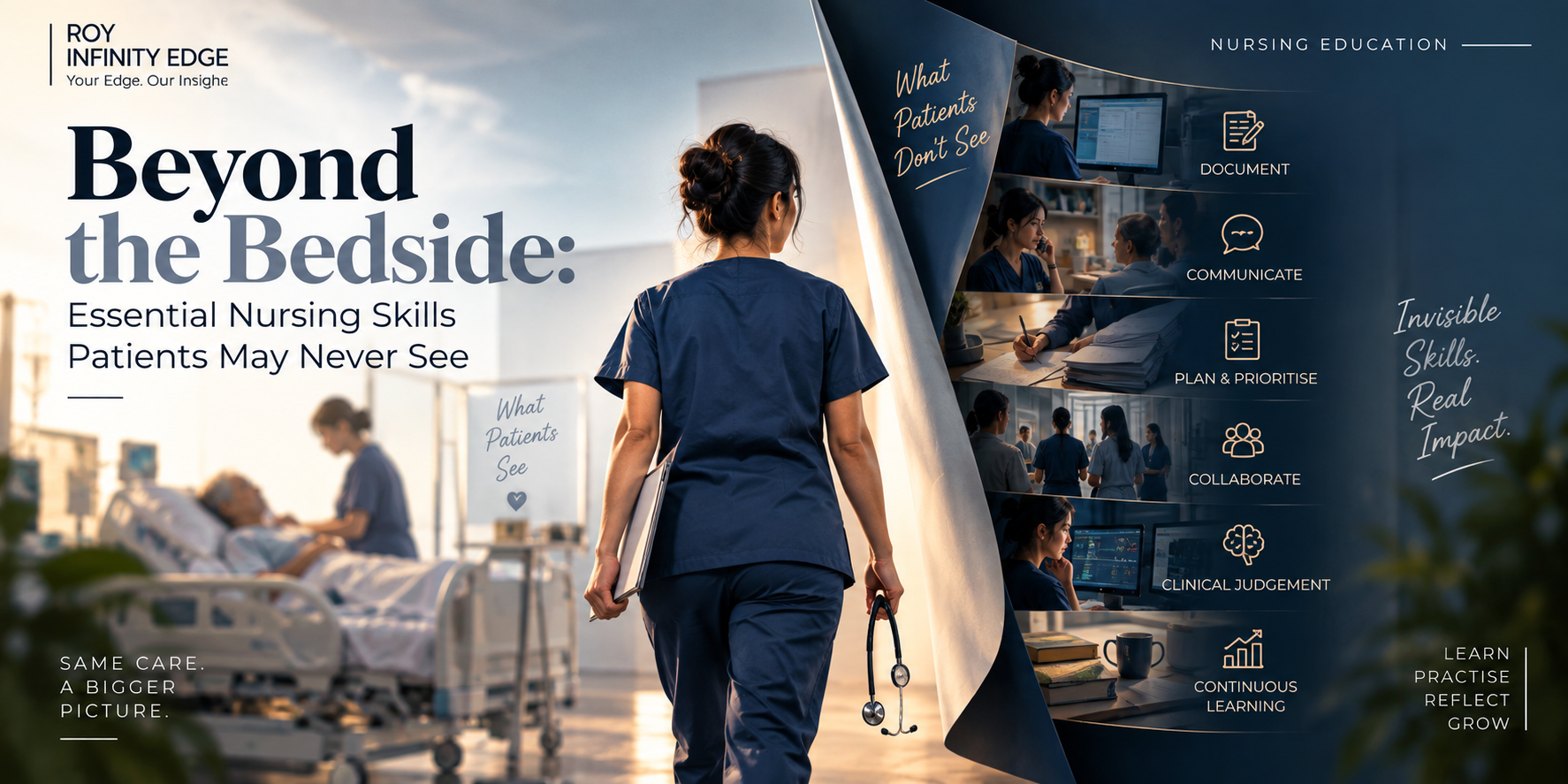
Nursing is a profession where knowledge must be applied to real people and real situations. A nurse may need to recognise a change in a patient's condition, communicate with a concerned family member, work with a multidisciplinary health care team, and make an appropriate decision within a short period of time.
This is why effective nursing education goes beyond memorising information. It develops the knowledge, skills, judgement, communication, and professional responsibility required for safe and effective patient care.
What Does Nursing Education Really Teach?
The importance of nursing education lies in its ability to connect academic learning with the realities of professional practice. Some of the most important lessons extend well beyond what can be found in a textbook.
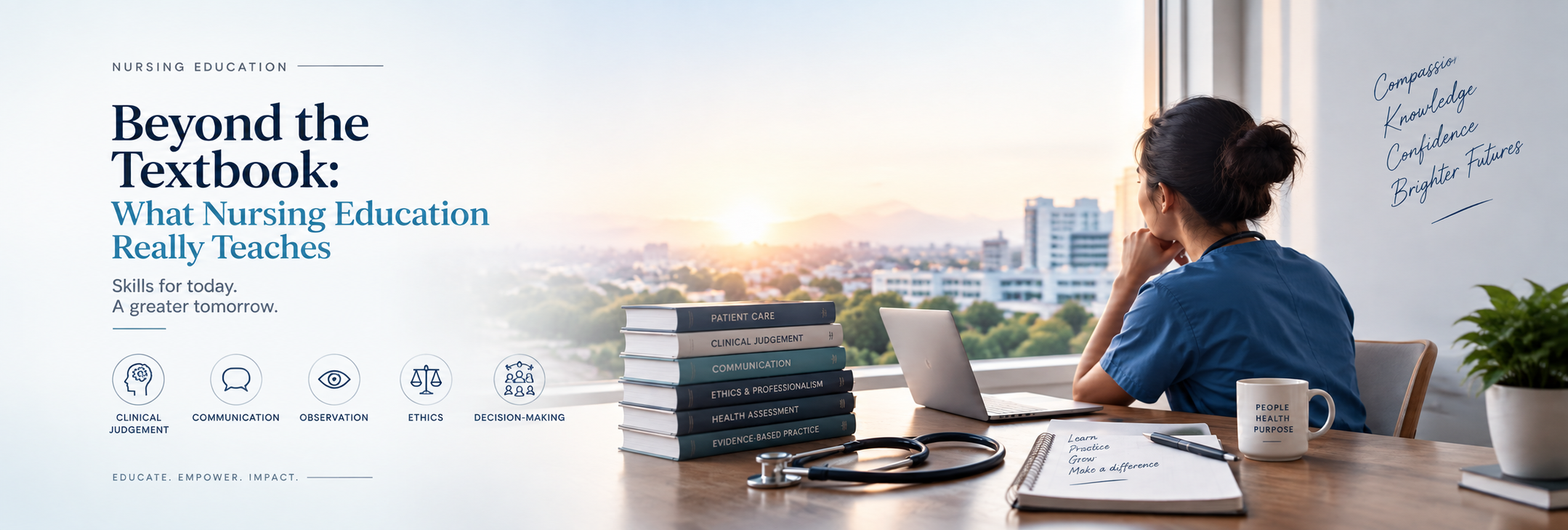
- Clinical judgement: Nursing students learn how to assess patients, recognise changes in their condition, identify priorities, and make appropriate decisions within their professional scope.
- Communication: Nurses communicate with patients, families, doctors, colleagues, and other health care professionals. Nursing education helps students develop clear, respectful, and effective communication skills.
- Observation: Careful observation is an essential part of nursing practice. Students learn to notice relevant changes, interpret information, and respond appropriately to the needs of individual patients.
- Ethics and professionalism: Nursing involves significant professional responsibility. Education introduces students to ethical practice, confidentiality, patient dignity, professional standards, accountability, and respect for patient rights.
- Decision-making: Real clinical situations do not always resemble textbook examples. Through practical learning and clinical experience, students develop the ability to consider available information and make responsible decisions.
From Classroom Learning to Clinical Practice
One of the defining features of nursing education is the relationship between theory and clinical practice.
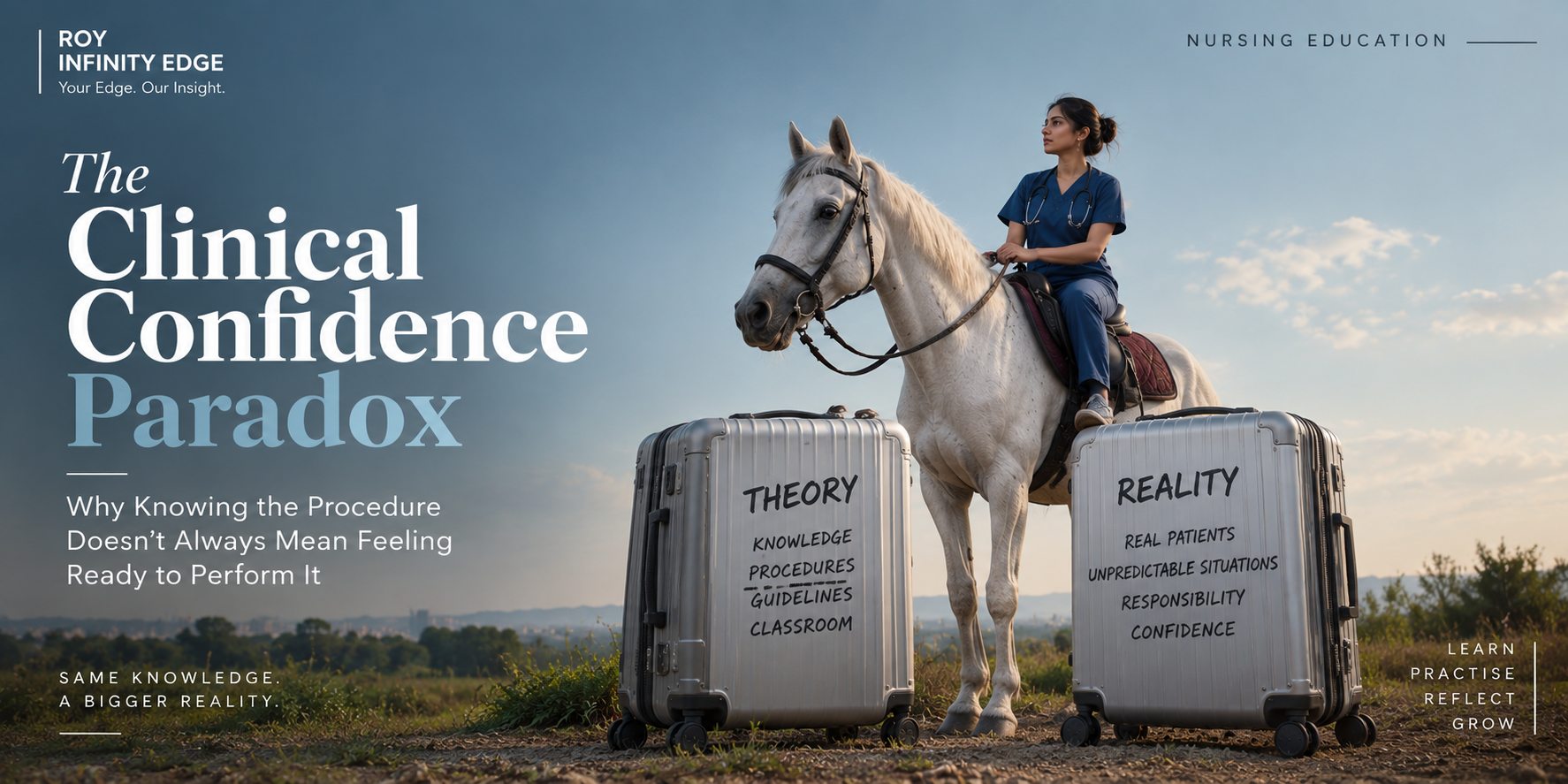
Students may learn about a condition, procedure, medication, or nursing intervention in the classroom. During clinical practice, however, they encounter individual patients whose needs may differ considerably from a textbook example.
Clinical education provides an opportunity to apply theoretical knowledge while developing practical skills, professional communication, teamwork, and confidence. Under appropriate supervision, students begin to understand how nursing knowledge translates into actual patient care.
The Human Side of Nursing
Technical competence is essential, but nursing is also a profession built around people.
Patients may experience fear, pain, uncertainty, or vulnerability. A nurse's ability to listen carefully, communicate with sensitivity, protect dignity, and understand individual needs can make a significant difference to the experience of care.
For this reason, good nursing education should develop more than clinical skills. It should also encourage empathy, respect, responsibility, and patient-centred thinking.
Why Clinical Experience Matters
Clinical experience is an important part of preparing nursing students for professional practice. It exposes students to different patients, health conditions, care environments, and professional situations.
It also provides opportunities to learn from experienced nurses and other health care professionals. Students can observe professional practice, receive feedback, reflect on their experiences, and gradually develop greater confidence in applying their knowledge.
The process is not simply about performing procedures correctly. It is about understanding why a particular approach is appropriate and recognising how patient needs can influence the delivery of care.
Nursing Education Is a Continuous Process
Learning does not end when a nursing student receives a qualification. Health care continues to evolve, with new research, technologies, treatments, guidelines, and approaches to patient care emerging over time.
Professional nursing therefore requires a commitment to continuing education and development. Nurses need to keep their knowledge and skills current so they can respond appropriately to changing health care needs.
The Real Purpose of Nursing Education
The value of nursing education cannot be measured only by examination results or the completion of a qualification. Its broader purpose is to prepare individuals to take professional responsibility for the care and safety of patients.
Nursing education connects knowledge with practice, observation with clinical judgement, and professional competence with human care.
That is what makes nursing education unique. The classroom provides the foundation, clinical practice provides experience, and professional development continues to shape the nurse throughout a career.
Conclusion
Understanding what nursing education really teaches helps us appreciate why nursing is more than a collection of clinical procedures or academic subjects.
It is a process of developing professionals who can think critically, communicate effectively, observe carefully, act ethically, and provide patient-centred care.
Beyond the textbook, nursing education prepares students not simply to know what to do, but to understand how, when, and why it should be done.